
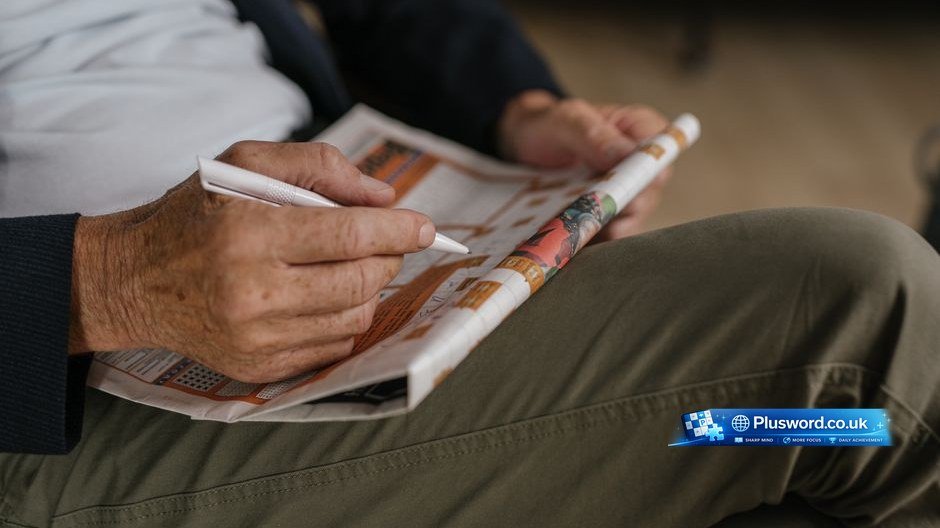
Staring at a fresh, blank grid can feel intimidating, but learning how to solve crossword puzzles is a skill that anyone can develop with the right approach. A crossword puzzle is a grid-based word game where solvers complete intersecting words across and down using numbered contextual clues. While veteran solvers seem to fill in answers effortlessly, they are simply applying a set of repeatable strategy patterns rather than relying on pure trivia knowledge.
Quick summary: Learning how to solve crossword puzzles effectively relies on scanning for fill-in-the-blank clues first, matching answer tenses with clue structures, and leveraging intersecting letters to decode complex wordplay.
Who this guide is for: This guide is for casual solvers, daily game enthusiasts, and word puzzle beginners looking for a practical framework to improve speed and completion rates.
What Is the First Step in Learning How to Solve Crossword Puzzles?
The best initial step when approaching any new grid is to scan the entire clue list for “fill-in-the-blank” (FITB) entries and explicit proper nouns. These clues provide the absolute highest probability of direct hits, allowing you to anchor early letters into the board without guessing.
When mastering how to solve crossword puzzles, starting with the easiest clues builds immediate momentum. Fill-in-the-blank clues generally rely on common idioms, famous quotes, or famous titles (for example, “___ and clear” for LOUD). Because these require minimal deciphering, they yield quick wins across different sections of the grid.
According to Wikipedia’s history of crosswords, early word puzzles focused heavily on simple definitions before evolving into modern grids filled with intricate anagrams, puns, and structural themes. Understanding these structural conventions makes the entire grid far less mysterious.
In addition to fill-in-the-blank clues, keep an eye out for short three- and four-letter entries. Crossword constructors frequently rely on a standard rotation of short words (often referred to as “crosswordese”) such as AREA, OREO, ERA, or ALE. Recognizing these recurring terms quickly gives you anchor points for longer, more difficult entries.
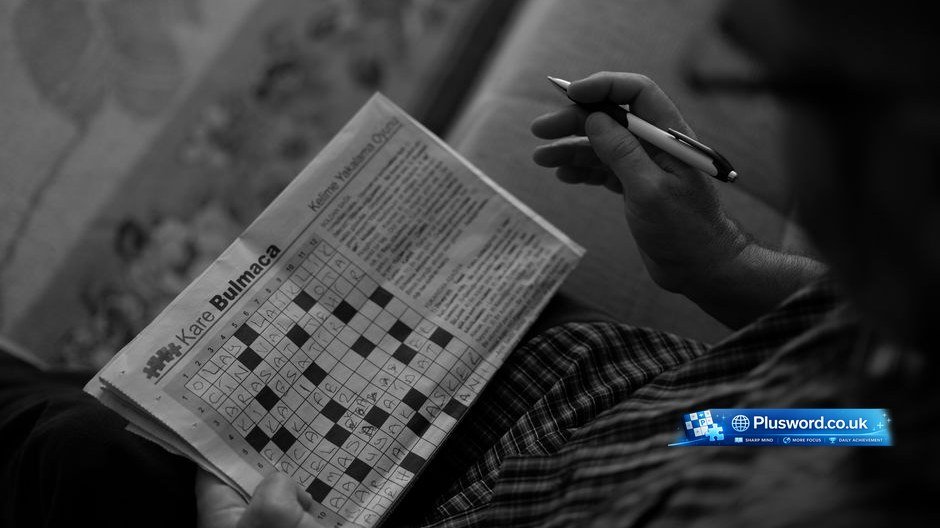
Decoding Crossword Clue Conventions and Signals
Crossword constructors strictly follow a set of unspoken rules. Once you learn to read the implicit signals hidden within the phrasing of a clue, narrowing down the correct answer becomes much faster.
Tense, Plurals, and Parts of Speech
A fundamental rule of grid solving is that the clue and the answer must always match in part of speech, tense, and number. If a clue is phrased in the past tense (e.g., “Ran quickly”), the answer must also be in the past tense (e.g., SPED or DASHED). Similarly, if a clue is plural (“Forest trees”), the answer must end in a plural form, usually ending in the letter S.
If you spot a plural clue, you can often go ahead and pencil in an “S” in the final box of that entry. This single intersecting letter can be enough to help you figure out the crossing entry. Applying these simple linguistic rules is essential when learning how to solve crossword puzzles systematically.
Abbreviations and Foreign Language Indicators
Constructors will always warn you when an answer is abbreviated or written in a foreign language. Pay close attention to how the clue itself is phrased:
- Abbreviation Signals: If the clue contains an abbreviation (such as “Doctor’s org.” or “Approx. arrival time”), the answer will also be abbreviated (AMA or ETA).
- Location Indicators: If a clue includes a regional or foreign reference (such as “Friend, in Paris” or “Summer in Madrid”), the answer will be in that respective language (AMI or VERANO).
- Qualifier Tags: Phrases like “for short,” “briefly,” or “informally” signal that the answer is a shortened or slang version of a word.
Question Marks and Wordplay
When you see a question mark at the end of a clue, do not take the words literally. Question marks indicate punny wordplay, double meanings, or misdirection. For example, “Flower holder?” might not be VASE, but rather RIVER (something that holds a “flow” of water). Developing a sharp eye for these playful twists is a key milestone when studying how to solve crossword puzzles efficiently.
What Strategy Works Best for Completing Tricky Grids?
The most effective strategy for completing tricky grids is cross-referencing—filling in partial letters through intersecting entries rather than trying to solve long answers in isolation. Working inward from solved corners creates a cascading effect where every confirmed letter eliminates wrong possibilities for adjacent words.
When you encounter a difficult section, avoid staring at a single blank entry for too long. Switch between Across and Down clues fluidly. Even a single verified letter in a six-letter word reduces the potential vocabulary options dramatically. If you want to refine your broader daily puzzle strategies, reviewing proven daily word puzzle tips can help refine your cross-referencing logic across multiple game formats.
Common Mistakes to Avoid When Solving Crosswords
Even experienced solvers fall into traps that slow down their completion times. Recognizing these common pitfalls will save you frustration during challenging solves.
| Clue Signal / Feature | What It Really Means | Example Clue & Answer |
|---|---|---|
| Question Mark (?) | Puns, wordplay, or non-literal meaning | “Night school? (OWL) |
| Abbreviated Term | Answer must be abbreviated | “Corporate leader (CEO) |
| Foreign Place Name | Answer is in that language | “Yes, in Rome” (SI) |
| “Informally” / “Briefly” | Slang or shortened spelling | “Vegetarian’s pick” (VEG) |
A common mistake is committing to an uncertain answer in ink or unchangeable mental focus. If an intersecting word feels impossible, re-examine your previously entered answers. A single incorrect letter can block an entire corner of the grid. In practical use, keeping tentative answers light or uncommitted until confirmed by crossing words is one of the best habits for anyone researching how to solve crossword puzzles successfully.
Another error is ignoring theme titles and grid patterns. Many mid-week and Sunday crosswords feature overarching themes where certain long entries play on specific letter shifts or phrases. Identifying the theme early unlocks several long answers simultaneously.
How to Solve Crossword Puzzles When You Get Completely Stuck
When progress halts entirely, the direct answer is to step away from the board for a short break or deliberately pivot to a clean corner. Human brains continue processing spatial and semantic connections subconsciously, and taking a short pause often leads to instant breakthroughs upon returning.
If stepping away does not break the deadlock, try working backward from letter probability. Ask yourself what letters naturally pair with existing entries. If an entry ends with “ING” or “TION”, testing those common endings against intersecting clues often reveals missing entries.
Many modern solvers use daily digital word games to build their letter recognition skills. For instance, exploring popular daily word puzzle guides can help sharpen your fast-paced vocabulary recall, which directly transfers to solving traditional newsprint grids.
Do not hesitate to look up obscure factual references (such as a specific 1950s actor or obscure geographical river) if you are completely blocked. Treating lookups as learning opportunities builds your puzzle vocabulary for future grids, making the overall experience far more rewarding.
What Is the Difference Between American and Cryptic Crosswords?
Standard American-style crosswords rely primarily on trivia, synonyms, and direct wordplay, where every square overlaps with crossing letters. Cryptic crosswords (popular in the UK and Australia) treat every clue as a mini-puzzle consisting of two parts: a direct definition and a secondary anagram, hidden word, or wordplay indicator. Understanding which style you are attempting is vital when determining how to solve crossword puzzles in different regional publications.
How Does Puzzle Difficulty Change Throughout the Week?
Most major publications (like The New York Times) scale puzzle difficulty progressively from Monday to Saturday. Monday grids are the easiest, featuring straightforward clues and accessible themes. As the week progresses toward Friday and Saturday, clues become increasingly subtle, relying heavily on misdirection and clever puns. Sunday puzzles match mid-week difficulty but feature much larger grids.
Frequently Asked Questions
What is the best starting point for beginners learning how to solve crossword puzzles?
Beginners should start with early-week puzzles, such as Monday or Tuesday editions in major publications, and fill in the easiest fill-in-the-blank clues first to establish baseline letters.
How do you know if a crossword clue requires an abbreviated answer?
If the clue itself contains an abbreviation or explicitly uses a shortened term (such as “Dept.” or “e.g.”), the answer will almost always be an abbreviation as well.
What does a question mark at the end of a crossword clue mean?
A question mark indicates that the clue relies on wordplay, double meanings, puns, or non-literal interpretations rather than a straight dictionary definition.
Is it acceptable to look up answers while solving a crossword grid?
Looking up obscure proper nouns or facts is a standard strategy for learning, as long as you use it to build your vocabulary for future puzzles rather than relying on automated solvers.
Your Next Move for Masterful Solving
Developing true proficiency with word grids takes deliberate practice, but breaking down the barrier to entry transforms the daily grid into a satisfying habit. Start by setting aside ten minutes each morning with early-week puzzles. Focus strictly on matching tenses, spotting abbreviation tags, and filling in short three-letter anchor words. As these structural patterns become second nature, you will find yourself moving through grids with far greater confidence and speed, turning the process of how to solve crossword puzzles from a confusing test into an engaging daily ritual.
To keep your progress moving forward, consider keeping a personal notebook of recurring crossword vocabulary and tricky clue formats you encounter. Reviewing these entries periodically reinforces pattern recognition across different puzzle constructors. Stick with these core strategies for how to solve crossword puzzles, stay patient with difficult grids, and watch your completion rate improve steadily week after week.