
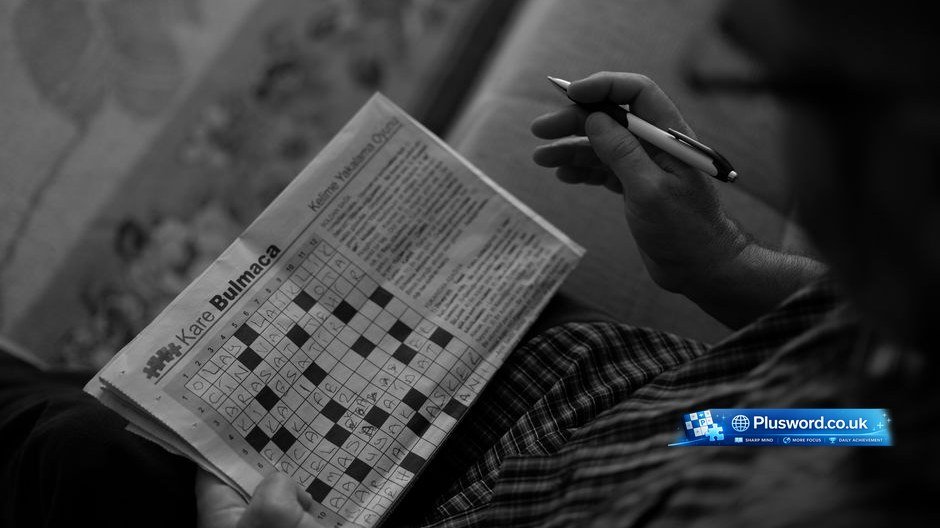
For decades, word game enthusiasts around the globe have tested their mental agility against the daily grid in The Daily Telegraph. A telegraph crossword is a daily word puzzle published by the British newspaper, famous for offering both straightforward definition-based grids and world-renowned cryptic challenges. Whether you enjoy filling in quick synonyms over morning coffee or decoding intricate wordplay late into the evening, tackling these grids requires a distinct mix of vocabulary, logic, and patience.
Quick summary: Mastering the telegraph crossword requires recognizing setter conventions, splitting cryptic clues into literal definitions and wordplay indicators, and building daily solving momentum. Focusing on short intersecting words and structural patterns lets you consistently clear both quick and cryptic editions.
Who this guide is for: This guide is for the audience of casual and competitive word game players who want practical, realistic strategies to solve the telegraph crossword faster and improve their daily puzzle performance.
What Makes the Telegraph Crossword Unique?
Unlike standard vocabulary puzzles found in casual magazines, the telegraph crossword carries a rich heritage that directly influenced modern puzzle design. In fact, these grids played a legendary role during World War II when the British intelligence service used puzzle completion times to screen potential codebreakers for Bletchley Park.
Today, the newspaper offers multiple puzzle formats daily. The Quick Crossword tests raw speed and vocabulary, whereas the Cryptic Crossword relies on deceptive phrasing. According to Wikipedia’s entry on cryptic crosswords, cryptic clues systematically pair a literal definition with secondary wordplay mechanics, requiring solvers to read beyond the surface meaning of every sentence.
In practical use, adopting proven crossword solving strategies helps bridge the gap between simple definitions and complex setter tricks. Once you understand how these grids are put together, patterns start emerging immediately.
How Hard Is the Daily Telegraph Crossword?
The difficulty of the telegraph crossword depends entirely on which edition you open on a given day. The Quick version is designed to be solved in 5 to 15 minutes, relying on direct synonyms. Conversely, the Cryptic edition usually takes between 20 minutes to an hour, even for skilled solvers, because every clue is deliberately crafted to mislead your train of thought.
The Quick Crossword vs. The Cryptic Crossword
Understanding the core differences between the two main daily formats prevents early frustration and sets realistic expectations for your practice sessions.
| Puzzle Type | Primary Clue Style | Average Solve Time | Key Skill Required |
|---|---|---|---|
| Telegraph Quick | Direct definitions, single synonyms | 5–15 minutes | Broad vocabulary & speed |
| Telegraph Cryptic | Dual-part (Definition + Wordplay) | 20–60 minutes | Lateral thinking & syntax analysis |
| Telegraph Toughie | Complex wordplay, obscure setters | 45+ minutes | Advanced cryptic mechanics |
7 Proven Strategies to Solve the Telegraph Crossword
If you want to clear a telegraph crossword reliably without relying on answer key lookups, applying a structured approach makes a massive difference. Here are seven tactical adjustments you can use today.
- Separate Definition from Wordplay: In cryptic grids, the literal answer definition almost always sits at the very beginning or the very end of the clue sentence. Treat the rest of the text as assembly instructions.
- Hunt for Anagram Indicators: Words like “broken,” “strange,” “mixed,” “dancing,” or “rearranged” tell you that nearby letters must be rearranged to form the solution.
- Target Short Words First: Three- and four-letter answers provide crucial intersecting letters (checks) that reduce guesswork across longer down and across slots.
- Watch for Container and Insertion Clues: Words such as “inside,” “holding,” “swallowed by,” or “welcomed” signal that one small word or letter set is tucked inside another word.
- Identify Common Abbreviations: Setters frequently use single-letter shorthand. For instance, “doctor” often becomes “MD,” “soft” means “P” (from musical notation piano), and “king” becomes “R” (Rex).
- Leverage Intersecting Vowels: If an elusive clue intersects with known letters, focus on identifying vowels first. Vowel placement drastically limits possibilities for English words.
- Apply General Daily Puzzle Habits: Integrating consistent daily word puzzle tips keeps your mental instincts sharp, making it easier to spot repeating structural clues week after week.
Common Mistakes When Tackling a Telegraph Crossword
Even seasoned solvers get stuck when bad solving habits take over. A common mistake is reading a cryptic clue as a coherent physical sentence. Setters craft surface stories specifically to distract you from mechanical letter manipulation. If a clue describes a farmer tending sheep, forget the sheep—look for grammatical indicators and hidden letter sequences instead.
Another frequent error is writing in unconfirmed guesses too quickly. Because grid intersections in a telegraph crossword are strictly verified, a single wrong letter ruins several connecting clues. Always verify that your prospective answer satisfies both the definition half and the wordplay half of the clue before locking it into the grid.
Frequently Asked Questions About the Telegraph Crossword
How hard is the telegraph crossword compared to other newspaper crosswords?
The telegraph crossword ranges from accessible to highly challenging. Its Quick edition is straightforward, while its Cryptic crossword is moderately difficult—generally considered slightly more approachable than the London Times cryptic but significantly more complex than standard direct-clue puzzles.
What is the difference between the Telegraph Quick and Cryptic crosswords?
The Telegraph Quick crossword relies on direct definitions and general knowledge synonyms. The Telegraph Cryptic crossword uses dual-part clues where one half provides a literal definition and the other half uses wordplay, such as anagrams or homophones, to guide you to the answer.
How were telegraph crosswords used during World War II?
In 1942, the Daily Telegraph ran a competition to see who could solve a cryptic crossword in under 12 minutes. The British War Office monitored the results and secretly recruited top solvers to join the famous codebreaking team at Bletchley Park.
What is the Telegraph Toughie crossword?
The Telegraph Toughie is an advanced cryptic crossword published Tuesday through Friday. It features more intricate wordplay, deceptive clue constructions, and subtle setters, specifically targeted at expert cryptic solvers seeking a greater challenge.
Your Next Steps to Master the Daily Telegraph Crossword
Cracking a telegraph crossword consistently isn’t about possessing an encyclopedia in your head—it’s about learning the setter’s toolkit and practicing systematic breakdown. Start your next session by scanning the grid exclusively for quick wins: four-letter words, clear anagram signals, and basic container clues. Establishing early letter anchors gives you the momentum needed to tackle the tougher mid-grid clues without feeling overwhelmed.
To see fast progress, set aside fifteen minutes each morning to work through a single puzzle. When you inevitably get stuck on a tricky telegraph crossword clue, don’t immediately reveal the answer key. Put the grid aside for an hour and return with fresh eyes; modern solvers frequently find that their subconscious mind decodes cryptic wordplay while taking a short break away from the paper or screen.