
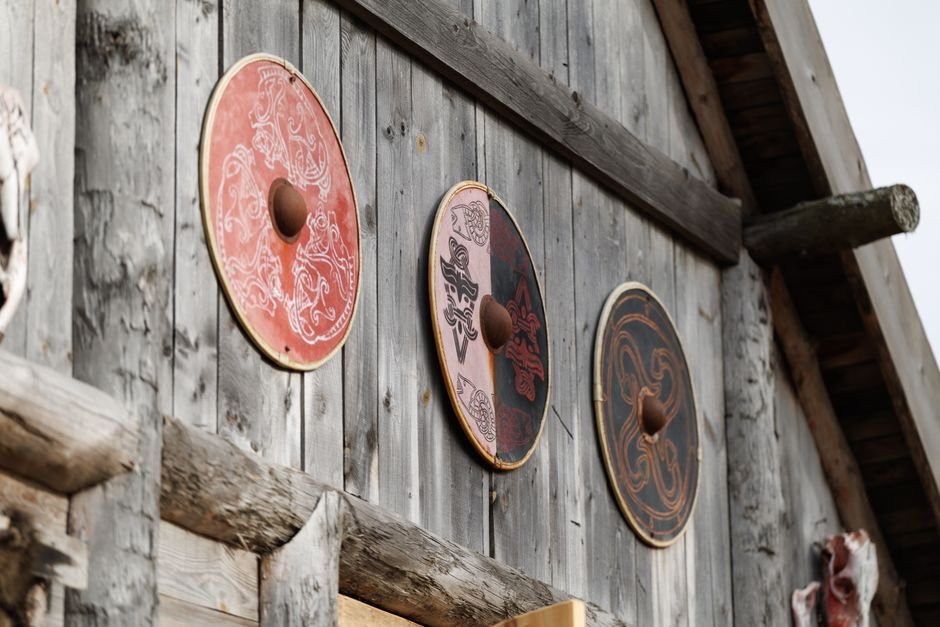
When you picture a Scottish warrior on the battlefield, the round wooden shield known as a targe often comes to mind. This guide explains what a targe is, how it evolved over centuries, and why it still matters to historians, reenactors, and puzzle lovers alike.
Quick summary: A targe is a traditional Scottish round shield, built from layered wood and metal, used from medieval times through the Jacobite uprisings.
Who this guide is for: Anyone interested in historical arms, costume reenactment, or crossword clues involving the word “targe.”
What exactly is a targe?
The targe is a round shield, typically 30–36 cm (12–14 in) in diameter, with a central iron boss and a reinforced rim. Unlike a buckler, which is small and highly maneuverable, the targe offers a broader defensive surface while remaining light enough for one‑handed use.
Etymology and early references
The word “targe” entered the Scots language from Old French targe, meaning “shield.” Early mentions appear in 14th‑century chronicles describing Highland skirmishes. By the 16th century, the term was standard in both military inventories and poetry.

How the targe developed through history
From the medieval era to the Jacobite rebellions, the targe adapted to changing warfare and fashion. Early versions were simple wooden discs, but later models incorporated metal plates, ornate ironwork, and even leather straps for a snug grip.
From medieval to early modern
In the 13th century, Scottish foot soldiers favored a light wooden shield to complement their long swords and dirks. By the 1700s, the targe often featured a decorative brass boss depicting clan symbols, reflecting both martial and cultural roles.
Regional variations
Highland clans sometimes added a “cuckoo” – a small wooden plate on the back – to protect the arm. Lowland troops, who fought more in formation, preferred a sturdier rim edged with iron. These nuances are why you’ll see “battle targe” and “ceremonial targe” used as distinct categories in museum catalogues.
Construction and design details of a targe
Understanding targe construction helps you spot authentic pieces and decide whether you want to make a replica. The core is usually a single piece of hardwood, such as oak or linden, chosen for its balance of strength and weight.
Typical materials and dimensions
A classic targe consists of three layers:
- Core: 1–2 cm thick solid wood, often seasoned for decades.
- Face: Leather stretched over the wood, sometimes painted with clan colors.
- Rim & boss: Iron or steel strips bolted around the edge, plus a central metal boss to deflect blows.
Dimensions varied by region, but most fell within the 30–36 cm diameter range, weighing between 2.5 and 4 kg (5–9 lb).
Decorative elements
Clans would emboss the boss with crests, while the outer rim might carry metal studs or engraved patterns. Some later targes featured brass “penny” plates as status symbols, especially during the 18th century.
How the targe was employed in combat
The targe was not just a passive barrier; it was an active tool in the hands of a skilled fighter. Its round shape allowed for quick rotational movements, essential for deflecting arrows and parrying sword cuts.
Tactics and handling
Warriors typically held the targe with a leather strap over the forearm, freeing the hand to wield a dirk or short sword. The central boss could be used to punch through an opponent’s shield or to strike vulnerable points on armor.
Pairing with other weapons
In Highland charge formations, a targe‑bearer would stay behind the front line, using the shield to protect the flanks while a pike or musket fired over them. This synergy made the targe a versatile component of both close‑quarter and ranged tactics.
The targe in culture and modern recreations
Beyond the battlefield, the targe appears in literature, folk music, and even modern puzzles. Its distinctive silhouette makes it a popular crossword answer; for example, you might spot it in the Cross Atlantic Crossword or the Daily Telegraph Crossword.
Appearances in literature and games
Sir Walter Scott’s novels often describe Highland warriors gripping their targes as they charge. Video games set in medieval Scotland, such as “Kingdom Come: Deliverance,” model the targe after historical references to give players authentic gear.
Modern forging and hobbyist projects
Today, blacksmiths and reenactors follow surviving patterns to produce functional replicas. According to Wikipedia, original targes were sometimes repaired by adding new metal strips rather than rebuilding the whole core, a practice modern makers emulate to keep the shield both authentic and affordable.

Frequently Asked Questions
What is the difference between a targe and a buckler?
A targe is larger, rounder, and often reinforced with a metal rim and boss, while a buckler is smaller (under 20 cm) and designed for rapid deflection.
Are there surviving original targes?
Museums in Edinburgh and Glasgow hold a handful of 17th‑century targes, mostly in fragmented condition but still revealing construction techniques.
Can a targe be used for modern self‑defense?
Legally, carrying a wooden shield is generally permissible, but
What is a targe?
A targe is a round, often wooden, shield traditionally used by Scottish warriors from the medieval period onward.
How was a targe typically made?
It was built from a solid wooden core, faced with leather or metal, and reinforced with a central boss and rim edging.
Can modern hobbyists recreate authentic targe designs?
Yes, many reenactors and blacksmiths follow historical patterns to forge functional replicas.
Where does the word “targe” come from?
The term derives from the Old French “targe” meaning “shield,” which entered Scots usage in the 14th century.